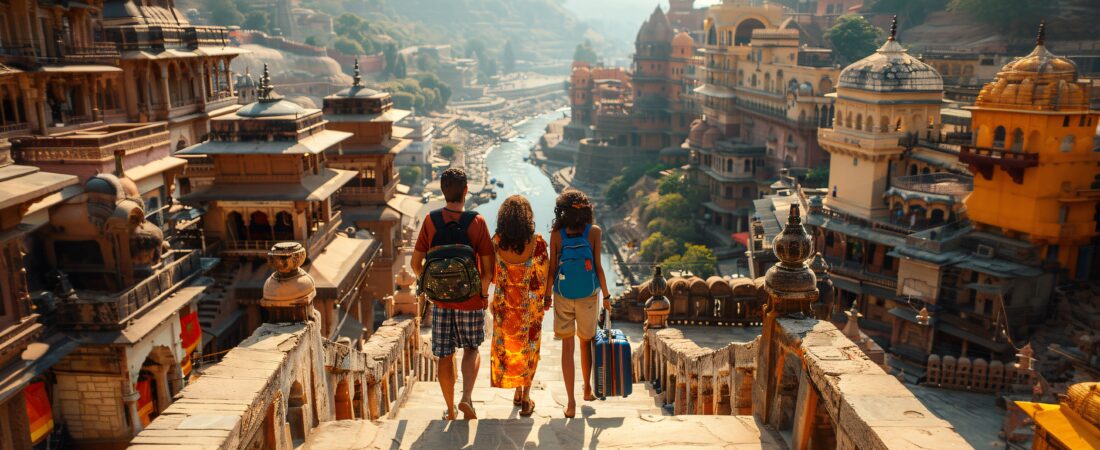
The Indian subcontinent is not merely a geographical entity; it is a sensory explosion, a spiritual sanctuary, and a historical palimpsest that stretches from the frozen crests of the Himalayas to the tropical serenity of the Indian Ocean. For those seeking the most profound places to visit in India, the journey is less about ticking off a list of monuments and more about navigating a kaleidoscope of human experiences.
At Trip Tribe India, we believe that travel should be transformative. This guide is curated with the depth of local expertise, designed to navigate you through the well-trodden paths and the whispered secrets of this ancient land.
- The Northern Citadels: History Written in Stone and Snow
- The Western Frontier: Deserts, Royalty, and Coastal Cosmopolitanism
- The Southern Peninsula: Dravidian Splendor and Backwater Bliss
- The Eastern and North-Eastern Frontiers: Untamed Beauty
- Central India: The Heart of the Wild
- The Art of Conscious Travel in India
- A Seasonal Guide: When to Visit
- Navigating the Logistics: Tips for the Modern Explorer
- The Deep Dives: Exceptional Enclaves for the Curious Mind
- Why India Now?
- Planning Your Pilgrimage with Trip Tribe India
- Comprehensive Regional Breakdown for Itinerary Planning
- Practical Information: Making the Most of Your Journey
- Deepening the Experience: The Festivals of India
- The Philosophy of Travel with Trip Tribe India
- Curated Experiences: The Trip Tribe Recommendations
- Conclusion: The Perpetual Call of India
- Appendix: A Quick Glossary for the Indian Traveler
- Final Thoughts on the Indian Landscape
The Northern Citadels: History Written in Stone and Snow
Northern India serves as the historical gateway to the country, where empires rose and fell, leaving behind architectural marvels that defy the passage of time.
1. Ladakh: The High-Altitude Desert of the Gods
Ladakh is a realm of stark contrasts. Known as the ‘Land of High Passes,’ it offers a landscape that feels extraterrestrial. The jagged, purple-hued mountains frame turquoise lakes like Pangong Tso and Tso Moriri.
- The Experience: Beyond the breathtaking views, Ladakh is a center for Vajrayana Buddhism. Visiting monasteries like Hemis, Thiksey, and Diskit provides a glimpse into a monastic life that has remained unchanged for centuries.
- Pro Tip: To truly honor the local culture, plan your visit during the Hemis Festival, where masked Cham dancers enact the victory of good over evil.
2. The Golden Triangle: Delhi, Agra, and Jaipur
While many travelers seek the obscure, the Golden Triangle remains an essential introduction to the subcontinent’s grandeur.
- Delhi: A city of seven capitals, where the chaos of Chandni Chowk meets the Lutyens-designed elegance of New Delhi.
- Agra: Home to the Taj Mahal. To experience it authentically, view it at dawn from Mehtab Bagh across the Yamuna River to avoid the crowds and witness the marble change from soft grey to glowing gold.
- Jaipur: The Pink City is a masterclass in Rajput architecture. The Hawa Mahal and Amer Fort are iconic, but the true soul of Jaipur lies in its blue pottery workshops and the block-printing villages of Bagru.
3. Rishikesh and Haridwar: The Spiritual Confluence
Where the Ganges leaves the mountains and enters the plains, these twin cities offer a profound spiritual immersion. Rishikesh is the yoga capital of the world, but it is also a hub for white-water rafting. The Ganga Aarti at Parmarth Niketan is a sensory symphony of bells, fire, and Vedic chanting that resonates with even the most secular traveler.
The Western Frontier: Deserts, Royalty, and Coastal Cosmopolitanism
Western India is a tapestry of vibrant colors set against the monochromatic backdrop of the Thar Desert and the azure expanse of the Arabian Sea.
4. Rajasthan’s Hidden Gems: Beyond the Palaces
While Jaipur and Udaipur are world-famous, the discerning traveler should look toward Jaisalmer and Bundi.
- Jaisalmer: The Golden City, rising from the desert like a mirage. Staying within the living fort—one of the few in the world where residents still live within the medieval walls—is a singular experience.
- Bundi: Often overlooked, Bundi is famous for its intricate stepwells (baoris) and the Bundi Palace, which houses murals that are considered the finest examples of Rajput art.
5. Gujarat: The Rann of Kutch and Beyond
The Great Rann of Kutch is a seasonal salt marsh that transforms into a cracked white mirror under the full moon. It is home to the Kutchi people, whose embroidery and textile arts are a global treasure.
- Wildlife: Gir National Park remains the last refuge of the Asiatic Lion, a testament to India’s successful conservation efforts.
6. Mumbai: The Maximum City
Mumbai is a city of dreams and stark realities. From the Victorian Gothic architecture of the Chhatrapati Shivaji Maharaj Terminus to the bustling “Khau Gallis” (food lanes) of Mohammad Ali Road, Mumbai demands your full attention. It is the heart of the Indian film industry and the financial engine of the nation.
The Southern Peninsula: Dravidian Splendor and Backwater Bliss
South India offers a different tempo—lush, tropical, and deeply rooted in traditions that predate many global civilizations.
7. Kerala: God’s Own Country
The backwaters of Alleppey and Kumarakom are legendary. However, for a more authentic experience, head to the Wayanad highlands.
- The Highlands: Here, tea and coffee plantations shroud the hills in emerald green. The Edakkal Caves contain neolithic petroglyphs, proving that this land has been inhabited for millennia.
- Ayurveda: Kerala is the cradle of Ayurveda. Engaging in a traditional Panchakarma treatment here is not just a spa day; it is a medicinal discipline aimed at holistic wellness.
8. Hampi: The Forgotten Empire
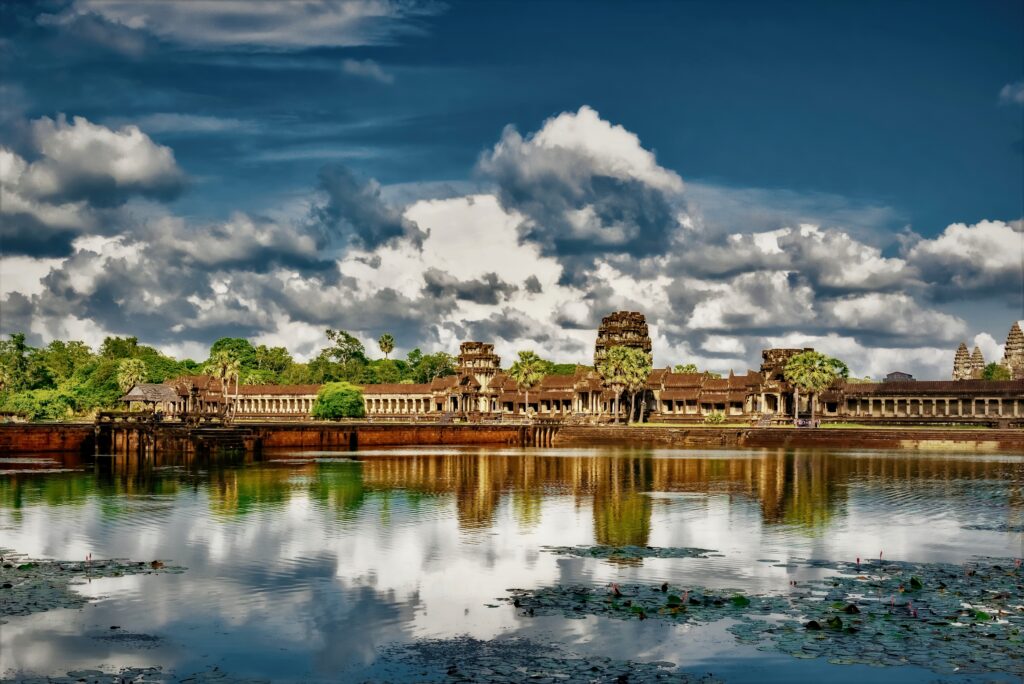
The ruins of the Vijayanagara Empire at Hampi are surreal. Boulders the size of houses are balanced precariously over intricately carved temples. It is a massive open-air museum. Cycling through the ruins at sunrise allows you to appreciate the scale of what was once one of the largest and richest cities in the world.
9. Tamil Nadu: The Temple Trail
From the towering gopurams of Madurai’s Meenakshi Temple to the shore temples of Mahabalipuram, Tamil Nadu is the guardian of Dravidian culture. The Chettinad region is a must-visit for gourmets and architecture buffs alike, famous for its spicy cuisine and palatial homes built with Burmese teak and Italian marble.
The Eastern and North-Eastern Frontiers: Untamed Beauty
This region is India’s best-kept secret, offering biodiversity and tribal cultures that are found nowhere else on earth.
10. The Seven Sisters: North-East India
- Meghalaya: Known as the ‘Abode of Clouds,’ it is home to the Living Root Bridges of Cherrapunji and Mawsynram. These are bio-engineered wonders grown by the Khasi tribes over centuries.
- Nagaland: The Hornbill Festival in December is a riot of color, folk dance, and indigenous sports, representing the 16 major tribes of the state.
- Sikkim: A Himalayan Shangri-La. The trekking routes around Mount Khangchendzonga offer views that rival Everest, while the monasteries of Rumtek and Enchey provide spiritual solace.
11. Odisha: The Soul of Incredible India
The Sun Temple at Konark, shaped like a giant chariot, is a pinnacle of Hindu architecture. Nearby, Chilika Lake, Asia’s largest brackish water lagoon, is a haven for migratory birds and the rare Irrawaddy dolphin.
Central India: The Heart of the Wild
Central India is where the jungle book comes to life. It is the land of the tiger and the ancient rock art of Bhimbetka.
12. Madhya Pradesh: The Tiger State
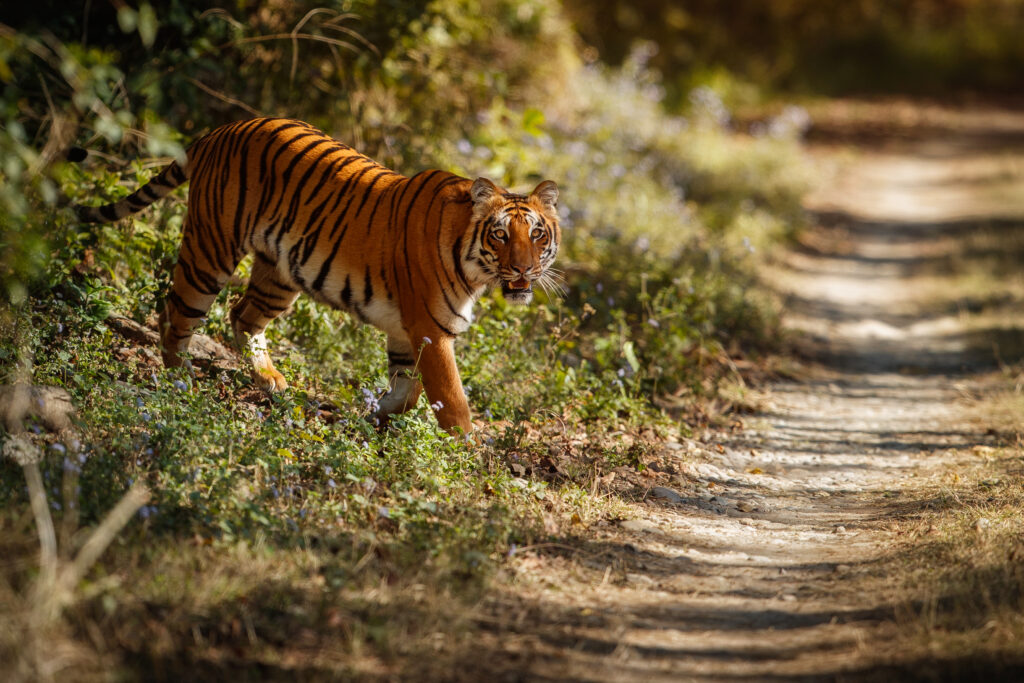
National Parks like Kanha, Bandhavgarh, and Pench offer the best opportunities for tiger sightings in the wild. These parks are managed with a focus on conservation and community involvement.
- Khajuraho: The Chandela dynasty temples are world-renowned for their erotic sculptures, but they are equally significant for their architectural symmetry and the depiction of daily life in medieval India.
The Art of Conscious Travel in India
To truly appreciate the various places to visit in India, one must adopt a mindset of “slow travel.” This is not a country to be “done” in a fortnight.
Understanding Cultural Nuances
India is a land of deep-seated traditions. When visiting religious sites, modest dress is essential. In many parts of rural India, the concept of Atithi Devo Bhava (The Guest is God) still holds sway. Accepting a cup of chai from a local can lead to the most memorable conversations of your journey.
Culinary Journeys
Indian food is as diverse as its geography. It is a mistake to categorize it under the umbrella of “curry.”
- North: Rich, cream-based gravies, tandoori meats, and wheat-based breads.
- South: Rice-centric dishes, coconut-infused flavors, and the tempering of mustard seeds and curry leaves.
- East: Subtle use of mustard oil and a focus on freshwater fish and fermented greens.
- West: A mix of fiery Rajasthani spices and the coastal, vinegar-tinged flavors of Goan cuisine.
Sustainable and Ethical Tourism
As a responsible traveler, it is vital to minimize your environmental footprint. Support local artisans directly rather than through middlemen. Opt for homestays over massive luxury chains to ensure your travel spend goes directly into the local economy. At Trip Tribe India, we prioritize partners who practice eco-tourism and respect indigenous rights.
A Seasonal Guide: When to Visit
India’s climate is as varied as its terrain.
- October to March: This is the peak season for most of the country, especially Rajasthan, Central India, and the South. The weather is cool and pleasant.
- April to June: The Indian summer. This is the best time to head to the Himalayas (Himachal Pradesh, Uttarakhand, Ladakh, and Sikkim).
- July to September: The Monsoon. While travel can be challenging, this is when Kerala is at its most beautiful, and the Valley of Flowers in Uttarakhand is in full bloom.
Navigating the Logistics: Tips for the Modern Explorer
Traveling through India has become significantly easier with the expansion of the domestic flight network and the modernization of the Indian Railways.
- The Rail Experience: Taking a long-distance train is a quintessential Indian experience. The Vande Bharat expressway offers modern comfort, while the classic Rajdhani and Shatabdi trains provide a glimpse into the rhythmic soul of the country.
- Connectivity: While 5G is prevalent in cities, carrying a local SIM card is advisable for navigating remote areas.
- Health: Stick to bottled or filtered water and eat at places that are busy—a high turnover of food usually indicates freshness.
The Deep Dives: Exceptional Enclaves for the Curious Mind
For those who have already seen the Taj Mahal and the beaches of Goa, India offers layers of depth that require a second or third look.
13. The Spiti Valley: A Middle Land
Nestled between Tibet and India, Spiti is often called “Little Tibet.” The Key Monastery, perched atop a hill like a cluster of white blocks, is a sight of profound serenity. The village of Hikkim boasts the world’s highest post office, where you can send a postcard from 14,400 feet.
14. Varanasi: The City of Light
Kashi, or Varanasi, is perhaps the oldest living city on Earth. It is where life and death coexist on the ghats of the Ganges. To walk through the narrow “galis” (alleys) of the old city is to walk through time. It is a place of intense energy, a spiritual crucible that challenges and rewards the traveler in equal measure.
15. The Andaman and Nicobar Islands: India’s Tropical Outpost
Far out in the Bay of Bengal, these islands offer pristine beaches like Radhanagar Beach on Havelock Island, often cited as one of the best in Asia. The history here is poignant, with the Cellular Jail in Port Blair serving as a reminder of the struggle for Indian independence.
Why India Now?
In a world that is increasingly homogenized, India remains definitely unique. It is a place where modernity and antiquity do not just coexist; they are inextricably linked. You will see a software engineer in Bengaluru visiting a 1,000-year-old temple before heading to a high-tech office. You will see ancient agricultural methods used alongside drone technology for crop monitoring.
This duality is the essence of the Indian experience. It is a country that forces you to confront your preconceptions and expands your understanding of the human condition.
Planning Your Pilgrimage with Trip Tribe India
Selecting the right places to visit in India depends entirely on your personal “Why.” Are you seeking spiritual rejuvenation? An adrenaline rush? A historical deep-dive? Or a culinary exploration?
At Trip Tribe India, we don’t just book tours; we craft narratives. We understand that the modern traveler seeks authenticity over artifice. Our itineraries are designed to give you the space to breathe, to interact, and to discover those “unlisted” spots that don’t make it into the glossy brochures.
The Final Word
India is not a destination; it is an emotion. It is the smell of rain hitting parched earth (Petrichor), the taste of a perfectly spiced cutting chai, the sight of a tiger disappearing into the tall grass, and the sound of temple bells at twilight. It is a land that promises to change you, provided you arrive with an open heart and a curious mind.
Explore with us. Let the subcontinent reveal its secrets to you, one province at a time. Whether you are wandering through the ruins of Hampi or meditating in the shadow of the Himalayas, India is waiting to tell you its story.
Comprehensive Regional Breakdown for Itinerary Planning
To help you structure your journey across this vast land, we’ve broken down the must-visit locales into thematic circuits. Each circuit offers a distinct flavor of the Indian experience.
The Himalayan Circuit (Best for Adventure and Spirituality)
- Dharamshala & Mcleodganj: The residence of the Dalai Lama. This area offers a unique blend of Tibetan and Himachali cultures, set against the backdrop of the Dhauladhar Range.
- Manali to Leh Highway: One of the most legendary road trips in the world. This route takes you across high-altitude passes like Rohtang and Baralacha La, offering vistas that are truly humbling.
- Valley of Flowers, Uttarakhand: A UNESCO World Heritage site that comes alive with hundreds of species of wildflowers after the first monsoon rains.
The Royal Heritage Circuit (Best for History and Luxury)
- Udaipur: The City of Lakes. Known for its romantic palaces like the Lake Palace (Jag Niwas) and the massive City Palace complex.
- Gwalior: Home to the Gwalior Fort, described by Mughal Emperor Babur as “the pearl among fortresses in India.” The Man Mandir Palace within the fort is famous for its turquoise tiled walls.
- Lucknow: The City of Nawabs. Famous for its sophisticated Urdu culture, ‘Chikan’ embroidery, and some of the most exquisite Mughlai cuisine in the world.
The Coastal & Island Circuit (Best for Relaxation and Water Sports)
- Gokarna, Karnataka: For those who find Goa too crowded, Gokarna offers pristine beaches like Om Beach and Kudle Beach, with a more laid-back, spiritual vibe.
- Varkala, Kerala: Unique for its red laterite cliffs overlooking the Arabian Sea. It’s a perfect spot for paragliding and sunset yoga.
- Puducherry (formerly Pondicherry): A former French colony where Mediterranean aesthetics meet Tamil culture. The white town, with its mustard-yellow colonial villas and bougainvillea-draped streets, is exceptionally charming.
The Wildlife & Nature Circuit (Best for Eco-Tourism)
- Kaziranga National Park, Assam: The world’s primary habitat for the One-horned Rhinoceros. Exploring the Brahmaputra floodplains on a jeep safari is an unforgettable experience.
- Sundarbans, West Bengal: The world’s largest mangrove forest and the only one inhabited by tigers. It is a mysterious landscape of tidal rivers and dense greenery.
- Periyar Tiger Reserve, Kerala: Known for its elephant sightings and the beautiful Periyar Lake. It is one of the few parks in India where you can take a guided jungle walk.
Practical Information: Making the Most of Your Journey
The Concept of Time
In India, time is often fluid. The phrase “Indian Stretchable Time” is a humorous acknowledgment that things might not always run like clockwork. Embracing this fluidity is key to enjoying your trip. Use the “waiting time” at a railway station or a bus stop to observe the vibrant life around you.
Language and Communication
While Hindi is widely spoken in the North and West, the South and East have their own distinct linguistic identities (Tamil, Telugu, Kannada, Malayalam, Bengali, etc.). English is the “link language” and is understood in almost all tourist areas and by the urban population. Learning a few words in the local tongue—like Namaste (Hindi), Vanakkam (Tamil), or Dhanyabaad (Marathi)—goes a long way in building rapport with locals.
Shopping and Craftsmanship
India is a treasure trove for shoppers. Each region has a specific craft:
- Kashmir: Pashmina shawls and walnut wood carvings.
- Rajasthan: Meenakari jewelry and leather mojris.
- Hyderabad: Pearls and Lac bangles.
- Mysore: Sandalwood products and silk sarees.
Always look for government-run emporiums if you want guaranteed quality and fair pricing for artisans.
Ethical Photography
India is incredibly photogenic, but it is important to be respectful. Always ask for permission before photographing people, especially in rural or religious settings. Some temples strictly forbid photography of the inner sanctum. A smile and a gesture toward your camera are usually enough to get a “yes” or a polite “no.”
Deepening the Experience: The Festivals of India
Timing your visit to coincide with a festival can be the highlight of your journey.
- Diwali (The Festival of Lights): Celebrated across the country, it marks the victory of light over darkness. The entire nation is illuminated with oil lamps and fireworks.
- Holi (The Festival of Colors): A spring festival where people throw colored powders at each other. Vrindavan and Mathura offer the most traditional (and intense) Holi experiences.
- Durga Puja: Mostly celebrated in West Bengal, especially Kolkata. The city transforms into a massive art gallery with temporary structures (pandals) housing exquisite idols of the Goddess Durga.
- Pushkar Camel Fair: One of the world’s largest livestock fairs, held in the desert town of Pushkar, Rajasthan. It’s a spectacular gathering of camels, traders, and pilgrims.
The Philosophy of Travel with Trip Tribe India
At Trip Tribe India, we believe that the best places to visit in India are those that resonate with your soul. We don’t believe in “one size fits all” tourism. Whether you are a solo backpacker looking for the next hidden trail or a family seeking a luxury retreat, India has a corner for you.
Our mission is to bridge the gap between the traveler and the local community. We encourage our “tribe” to look beyond the camera lens and truly engage with the surroundings. India is a land of stories, and we are here to help you write yours.
Preparing for the Journey
- Visa: Most nationalities can apply for an e-Visa, which is a streamlined and efficient process.
- Vaccinations: Consult your doctor well in advance. Common recommendations include Hepatitis A, Typhoid, and Tetanus.
- Packing: Pack light, breathable cotton clothing. A light shawl or scarf is useful for visiting temples. Good walking shoes are a must.
- Insurance: Never travel without comprehensive travel insurance that covers medical emergencies and trip cancellations.
Curated Experiences: The Trip Tribe Recommendations
For those who want to skip the planning and dive straight into the heart of the country, here are three signature “Tribe” experiences:
1. The Soul of the East (12 Days)
- Route: Kolkata – Shantiniketan – Darjeeling – Gangtok.
- Focus: Colonial history, Rabindranath Tagore’s philosophy, Himalayan vistas, and tea plantation life.
- Highlight: Watching the sunrise over Kanchenjunga from Tiger Hill and riding the UNESCO World Heritage “Toy Train.”
2. The Deccan Odyssey (14 Days)
- Route: Hyderabad – Hampi – Badami – Goa.
- Focus: Islamic architecture, the ruins of the Vijayanagara Empire, Chalukyan rock-cut temples, and the bohemian beaches of the Konkan coast.
- Highlight: A sunset coracle ride (round bamboo boat) on the Tungabhadra River in Hampi.
3. The Tribal Heartland (10 Days)
- Route: Raipur – Bastar – Jagdalpur – Vizag.
- Focus: Indigenous art, weekly tribal markets, and the spectacular Chitrakote Falls (often called the Niagara of India).
- Highlight: Witnessing the unique bell-metal (Dhokra) casting process in a local village.
Conclusion: The Perpetual Call of India
The list of places to visit in India is inexhaustible because the country is constantly evolving. Every time you return, you find a new layer, a new flavor, or a new perspective. It is a land that rewards the patient and the brave.
India is a sensory overload, yes. It is chaotic, yes. But within that chaos lies a profound order, a deep-seated resilience, and a beauty that is so intense it can be overwhelming.
We at Trip Tribe India invite you to step out of your comfort zone. Leave the predictable behind and embrace the extraordinary. The subcontinent is not just a location on a map; it is a life-altering encounter. From the spice-scented air of the Malabar coast to the rarefied atmosphere of the Trans-Himalayas, your odyssey begins here.
Join the tribe. Explore the unexplored. Experience the real India.
Appendix: A Quick Glossary for the Indian Traveler
- Ashram: A place for spiritual retreat and meditation.
- Bazaar: A traditional market.
- Chai: Spiced milk tea, the fuel of the nation.
- Dhaba: A roadside eatery, usually serving fresh, local food.
- Ghat: A series of steps leading down to a body of water, particularly a holy river.
- Mudra: A symbolic or ritual gesture in Indian dance and iconography.
- Prasad: Devotional food offering made to a deity, later shared among devotees.
- Thali: A traditional meal served on a large platter with various small bowls (katoris) containing different dishes.
Final Thoughts on the Indian Landscape
As you plan your journey, remember that the most beautiful places to visit in India might not be the ones you see on Instagram. They might be the small, quiet moments: a conversation with a monk in Ladakh, the taste of a fresh mango in a Maharashtra orchard, or the sound of the wind through the pines in Himachal.
India is a country of 1.4 billion people, each with a story to tell. By visiting, you become a small part of that narrative. We look forward to being your guide on this epic journey. Happy travels, or as we say in India, Shubh Yatra!